Understanding Hybrid Honey Oil: A Balanced Approach to Cannabis Concentrates
Why Hybrid Honey Oil Stands Out in the Concentrate World
Over the years I have watched the cannabis industry evolve from simple dried flower to an array of refined products that cater to every preference. Among these, honey oil has carved out a loyal following for its purity and flavor. But what really caught my attention recently is the rise of hybrid honey oil. This is not just a marketing twist. It represents a thoughtful blend of genetics and extraction philosophy that gives you the best of both worlds without the extremes.
When I first tried a hybrid honey oil from a local dispensary, I was struck by how balanced the experience felt. The Indica and Sativa influences merged into a smooth, functional high that let me enjoy the sensory richness without feeling overwhelmed. That personal encounter made me dig deeper into what makes this product different from standard single-strain concentrates.
What Exactly Is Hybrid Honey Oil?
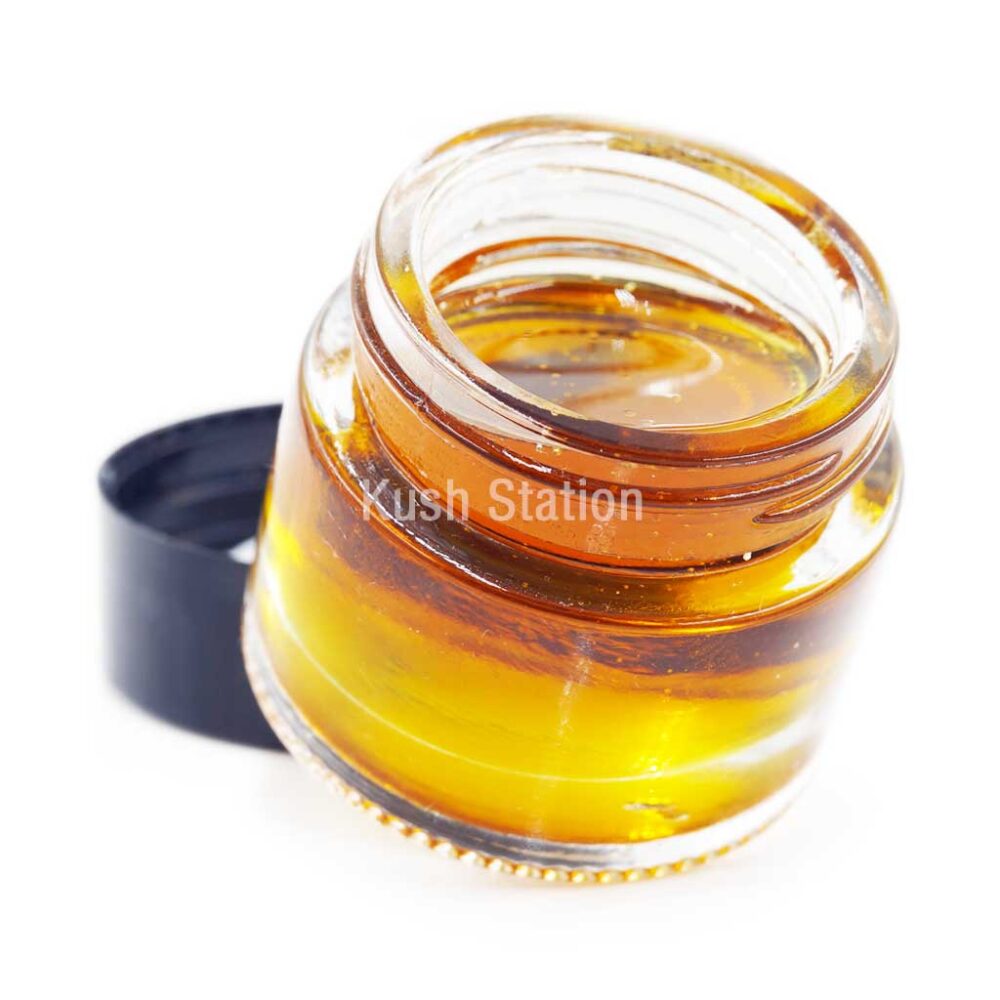
Honey Oil itself is a term that can mean slightly different things depending on who you ask. In the context of a site like KushStation, it refers to a lab-tested cannabis concentrate that captures the full spectrum of cannabinoids and terpenes from the source plant. The "hybrid" version takes this a step further by blending two or more strain profiles, often a combination of Indica and Sativa genetics, to produce a more rounded effect.
Think of it as a chef creating a balanced sauce. You might start with a base that has high THC content and a strong body effect from an Indica, then add a Sativa that brings uplifting notes and a more complex terpene profile. The result is a high-terpene full-spectrum extract that delivers both the relaxing body buzz and the clear-headed euphoria. That is what hybrid honey oil aims to achieve.
The Role of Solventless Extraction
One of the reasons honey oil has gained respect is the extraction method. Many producers use solventless extraction techniques, which means no chemical solvents like butane or ethanol touch the plant material. Instead, they rely on mechanical separation, often through ice water and agitation, to separate the trichomes from the plant matter. This preserves the delicate terpenes and cannabinoids that give each strain its unique character.
When you combine solventless extraction with a hybrid approach, you get a product that is both pure and complex. The absence of solvents means the final concentrate retains more of the plant's natural aroma and flavor. For someone who values the ritual of dabbing, this purity translates into a cleaner vapor that does not irritate the throat or leave behind a chemical aftertaste.
Why Lab-Tested Quality Matters
I have seen too many people buy concentrates based on appearance alone only to be disappointed by weak effects or contaminants. That is why the emphasis on lab-tested products is not just a buzzword. Third-party testing confirms the potency, checks for residual solvents, and verifies the cannabinoid profile. For honey oil, this is especially important because the consistency can vary widely between batches.
KushStation and similar reputable sellers provide certificates of analysis that show the exact THC percentage and the presence of major cannabinoids like CBD, CBG, and CBC. This transparency lets you choose a product that matches your tolerance and desired effects. A lab-tested hybrid honey oil gives you the confidence that what you are dabbing is exactly what the label says.
How to Enjoy Hybrid Honey Oil
There are several ways to consume honey oil, but the most common is dabbing. A dab rig or a vaporizer designed for concentrates works best. You heat a nail or banger to the right temperature, usually between 315 and 450 degrees Fahrenheit, then apply a small amount of the oil. The vapor should be smooth and flavorful, not harsh. If you are new to concentrates, start with a rice-grain sized dab and wait a few minutes before taking another.
A good vaporizer with a ceramic or quartz coil can also do the job, especially if you want more control over temperature. Some people even mix a tiny bit of honey oil with flower in a joint or bowl, though that can be messy and less efficient. The key is to respect the potency. Hybrid honey oil often has THC levels above 70%, so even a small amount goes a long way.

Strain-Specific vs. Hybrid: Which One to Choose?
The choice between a strain-specific honey oil and a hybrid honey oil comes down to what you want from the experience. If you are chasing a particular effect, like deep relaxation from a pure Indica or an energetic boost from a Sativa, then a single-strain product gives you that focus. Many enthusiasts have a favorite strain, like the Honey Badger, which is known for its unique terpene profile and high potency.
But if you find that pure strains sometimes leave you feeling one-dimensional or overly intense, a hybrid honey oil offers a more balanced ride. The blending smooths out the edges. For example, an Indica-dominant hybrid might still give you the body relaxation but with a touch of mental clarity that keeps you functional. A Sativa-dominant hybrid can provide the energy without the jitters. This versatility makes hybrid honey oil a great choice for social settings or for people who use cannabis throughout the day.
Terpenes and the Entourage Effect
One of the most fascinating aspects of cannabis concentrates is the role of terpenes. These aromatic compounds are responsible for the distinct smells and flavors, but they also interact with cannabinoids to modulate the effects. Research suggests that the combination of multiple cannabinoids and terpenes produces a more nuanced experience, often called the entourage effect. Hybrid honey oil, by blending different strain profiles, naturally contains a wider array of these compounds than a single-strain extract.
For instance, myrcene and limonene are common terpenes found in many strains. Myrcene tends to have sedative properties, while limonene is uplifting. In a hybrid honey oil, these can balance each other out. The result is a smoother, more rounded high that many people find more pleasant than the sometimes jarring spike from a pure high-THC concentrate.
Practical Considerations and Storage
Honey oil is a sticky, viscous substance that requires proper storage to maintain its quality. Keep it in a cool, dark place away from direct sunlight. Glass or silicone containers work well. Avoid storing it in plastic because the terpenes can degrade over time and affect the flavor. A little care goes a long way in preserving the freshness of your hybrid honey oil.
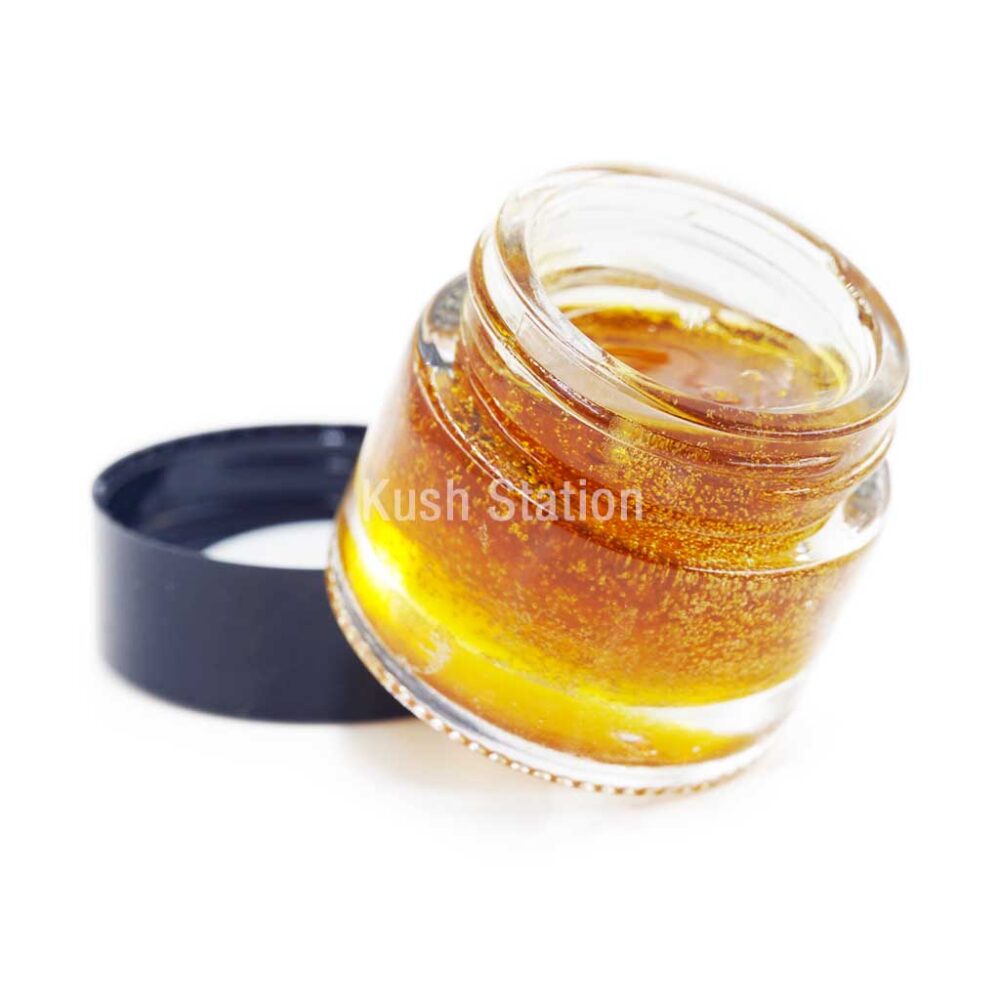
Also, be mindful of the consistency. Some honey oils are runny like a syrup, while others are more like a thick paste. The texture can affect how easy it is to handle with a dab tool. If you buy online, check the product description for details about viscosity. KushStation and similar retailers often include this information in their listings.
Final Thoughts
Hybrid honey oil represents a thoughtful evolution in the world of cannabis concentrates. By combining the purity of solventless extraction with the balance of hybrid genetics, it offers a product that is both potent and approachable. Whether you are a seasoned dabber or someone curious about concentrates, it is worth trying a high-quality, lab-tested version from a trusted source. The key is to start small, pay attention to how it affects you, and enjoy the complexity that a well-made hybrid honey oil can provide.